Time Traveller
As the TARDIS emerges from the wormholes and temporal pathways connecting space and time, Aotearoa’s Sky Father - Ranginui and Earth Mother – Papatūānuku, welcome me.

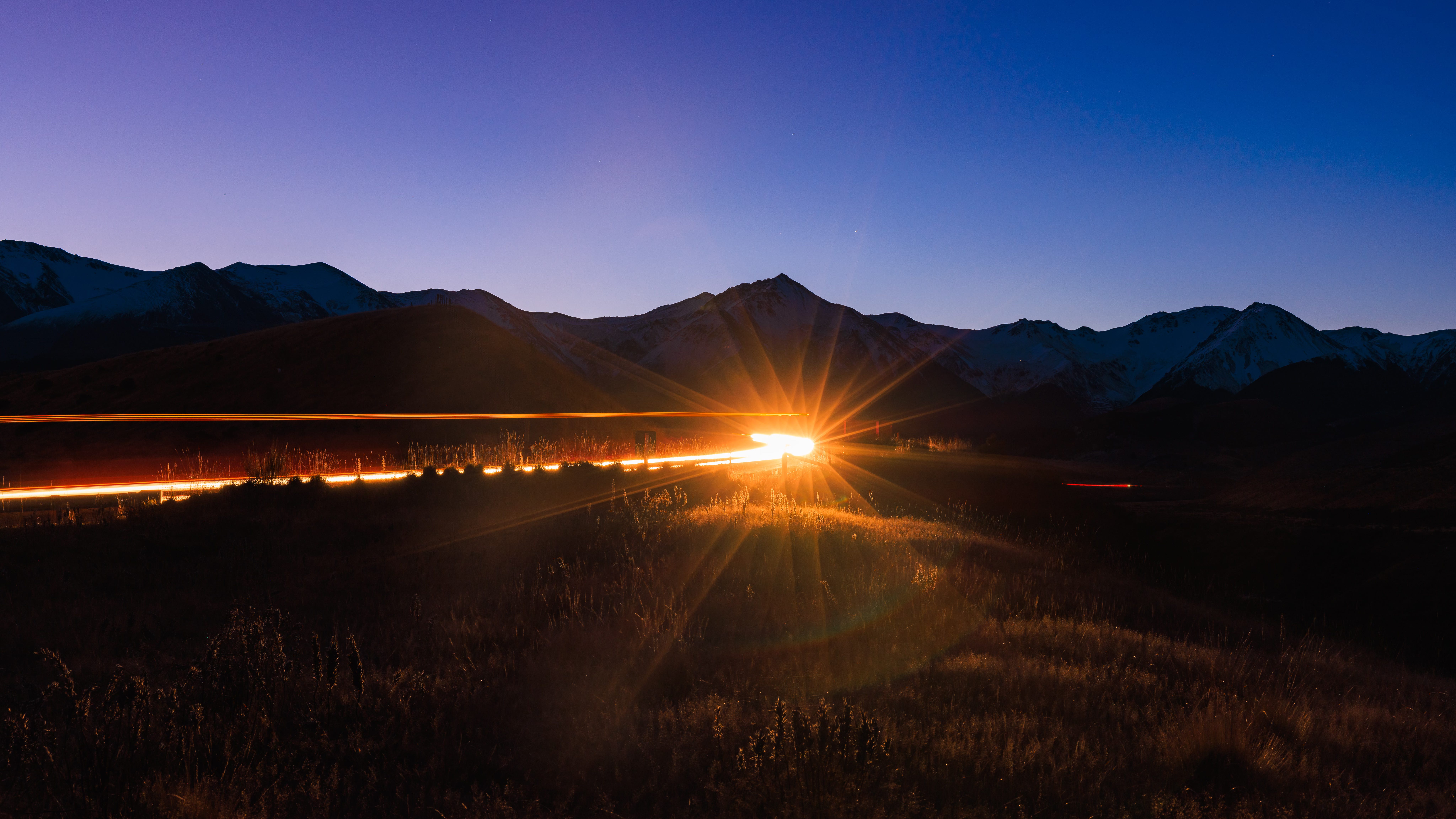
Lightrails through the Southern Alps. Photography: James Wilkes 2025
Dr James Wilkes borrows Dr Who’s TARDIS - Time and Relative Dimension in Space - time travelling machine. It’s a late model type 40 capsule created by the Time Lords designed specifically for travelling in time and space. James has just punched in the co-ordinates for his first destination: Christchurch, South Island, New Zealand. Latitude - 43.5320° S, Longitude - 172.6366° - E. Time: 1300 hours. Year: 1025.
As soon as the TARDIS Time Rotor is activated, the signature vwoorp, vwoorp, vwoorp, sound is immediately heard. My Odyssean exploration into the unknown has begun. This is stage one of the research expedition, which will travel to three time zones, 1025, 2025, and 3025.
My mission is to visit three time and space dimensions to ascertain knowledge of human’s stewardship of the planet. I want to explore the question: have we looked after the planet or not? To reach an answer three equally spaced millennium (1000 year) gaps, representing the past, present, and future have been selected. I’m not far away from 1025 now, I’m getting excited.
As the TARDIS emerges from the wormholes and temporal pathways connecting space and time, Aotearoa’s Sky Father - Ranginui and Earth Mother – Papatūānuku, welcome me. I’m about to witness one of Mother Nature’s most majestic canvases. This is a land where snow-capped mountains reach through long white clouds and sun rays light the forest with soft golden beams of light. I’m here, I’m really here in 1025.
There’s no question, the scene is god like. Once connected to Gondwana, Aotearoa has drifted into its own unique space evolving and emerging as a jewel, cosseted by the South Pacific Ocean, blessed with a temperate climate, and gifted with soaring mountain ranges, pristine forests, and crystal-clear rivers. For human beings, this environment represents nirvana. It is perfect in every way.
And breathing in the air here is an experience all of its own. It’s the very definition of purity. It’s hard to explain, but it’s magnificent. I feel invigorated, fully free, and alive. There is no smell of diesel or industrial pollution, no sounds of traffic, and no chemical signatures or environmental damage…anywhere. It’s a utopian, untouched world, but sadly, it will not remain untouched for long. Man is here.
1025 - A Thousand Years back in Time.
In 1025, in a place that will one day be known as Christchurch - Ōtautahi, Moa roam, Haast eagles fly, and pure pristine rivers flow. The landscape is a unique and dense tract of pristine, primeval, podocarp forest. It includes, tōtara, mataī and kahikatea, as well as miro, rimu, kotukutuku, hoheria, mānuka, kānuka, kōwhai, akeake and tītoki. It’s incredibly diverse, lush, productive and teeming with life. Abundance is beautiful.

Michèle sitting at the base of a 2000 year old Totara survivor on the Banks Peninsular. If only it could talk. Photography: James Wilkes 2025
The dawn chorus here is incredible. Looking across the plains from the tops of the eroded volcanoes that formed the two main harbours - known in 2025 as Lyttelton and Akaroa – I could see smoke rising from various points in the distance. Clearly, some deforestation to make way for crops was taking place.
At this time, Kākā and Kea were plentiful across the South Island, including here in 1025 Christchurch, but their numbers gradually declined with the arrival of Māori. It appears that Homo sapiens of any kind have a predisposition for systems overshoot. In Māori’s defence, in 1025, the region’s resources must have seemed limitless and infinite, with dense forest stretching as far as the eye could see.
And there is no retail food system or markets of any kind in these times. Communities needed to survive and cleared land was essential for growing life-sustaining crops. Notably, the ability for early humans - including Māori - to create systems overshoot was also significantly limited by the primitive technology of the day. There were no Caterpillar D10 bulldozers. No chemicals, and greed driven extractive capitalism was not part of Māori’s culture or way of life.
Māori are the tangata whenua (original inhabitants) of New Zealand. They are people of the land and from the very beginning have shown an extraordinary ability to adapt. They mastered their new environment in the South Pacific. Leaving Polynesia over 1000 years ago these master mariners found Aotearoa - New Zealand and quickly established deep relationships with the land. They survived and thrived through nurturing a culture that embraced strong community bonds. They shared resources, and collective responsibility to the land and to each other. It was an incredibly adaptive, and successful formula.
As a side note, historians suggest the modern capitalist system originated in the late Middle Ages (1300 - 1500 AD) and stemmed from conflict between the land-owning aristocracy and the agricultural producers, aka serfs. Looking back at history it becomes obvious very quickly that indigenous populations like Māori, North American Indians, Australian Aboriginals, the Mayan and Aztec people of modern Mexico, numerous indigenous tribes across Africa, and Eskimo, the indigenous people of the arctic, all shared many things in common. Capitalism was not one of them, that came with colonisation.
Unlike cultures captured by capitalism, indigenous cultures are beautifully balanced, ecologically sound, and sustainable. Communities lead meaningful lives. People have time for one another. Ancient artworks provide insights into their lives and they are full of lessons, which modern man has completely ignored.
The common traits of indigenous people include: being gentle on the land, considerate of environments, and living sustainably. The First Australians managed to live in harmony without damaging their environment for 60,000 years. Europeans arrived and in 200 years and in 0.3% of the time, created environmental degradation across Australia. That is not stewardship, that is greedy extraction.
Whilst early europeans may have started in a similar place, their culture evolved through innovation into advanced technologocal societies. They became incredibly warlike and embraced plunder, conquest, and extractive practices for profit. Their obsession seeded capitalism and created the platform for existential climate change. Capitalism and its growth-growth-growth mantra has become its own thermo-nuclear runaway event. It has never been brought fully under control. Instead, it has been allowed to metastisize, spreading throughout humanity, threatening societies and ecosystems.
It is with some irony the definition of thermo-nuclear runaway refers to a reaction that generates heat at a rate far exceeding the rate of heat dissipation, causing a rapid and uncontrolled temperature increase. Just maybe, climate change is a thermonuclear runaway event in ultra slow motion.
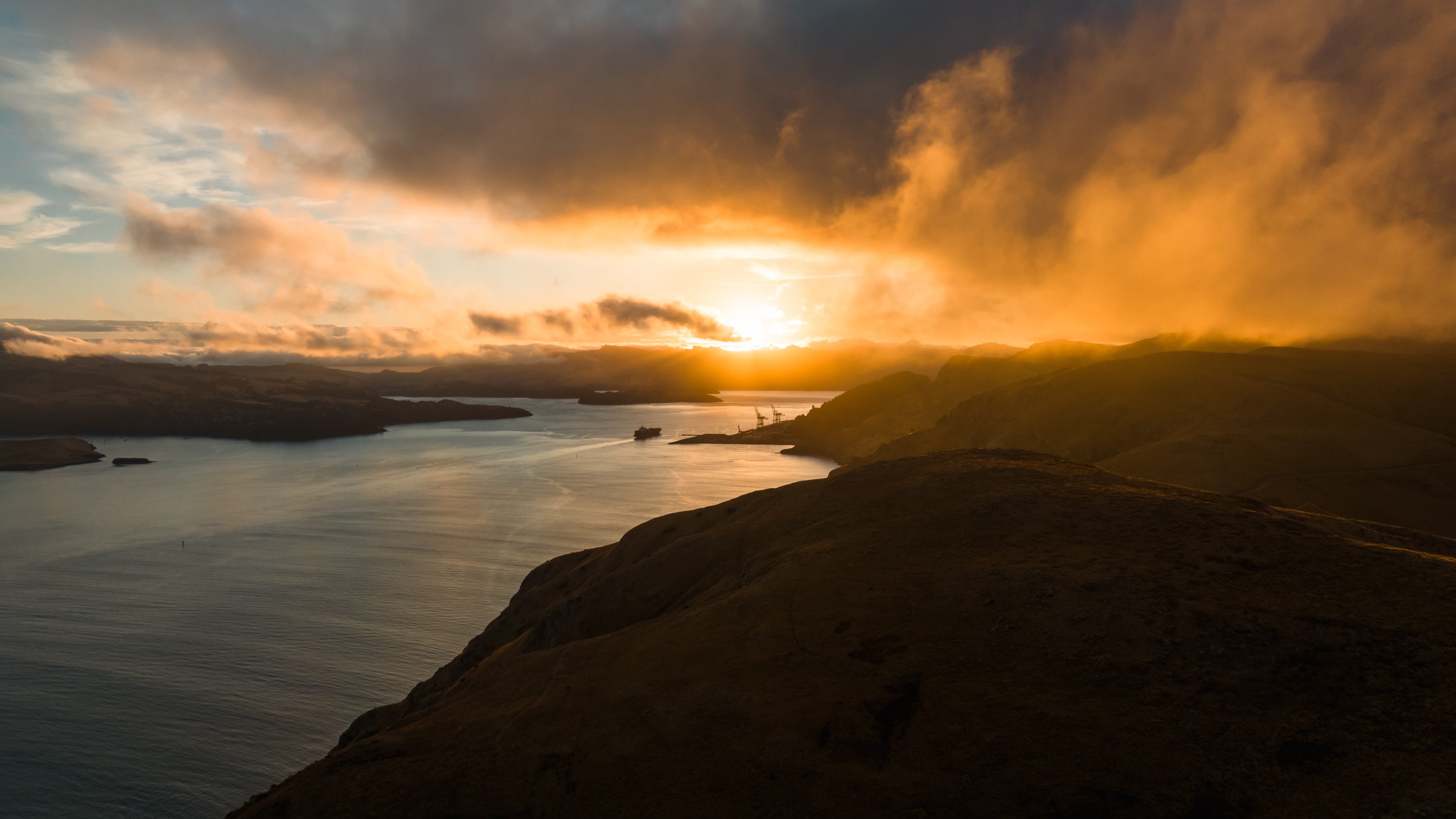
Looking down Lytellton Harbour, Banks Peninsula. Humans may think they’re in control, but they are not, nature is. Photography: James Wilkes 2025
Back to Christchurch. In 1025, the use of fire helped deforest vast tracts of forest putting pressure on flora and fauna. Kaka, a forest dwelling parrot was particularly impacted by the clearing. Kea in contrast, was an alpine specialist. Whilst both are incredibly intelligent and endlessly entertaining, evolution will always favour the species that can adapt.
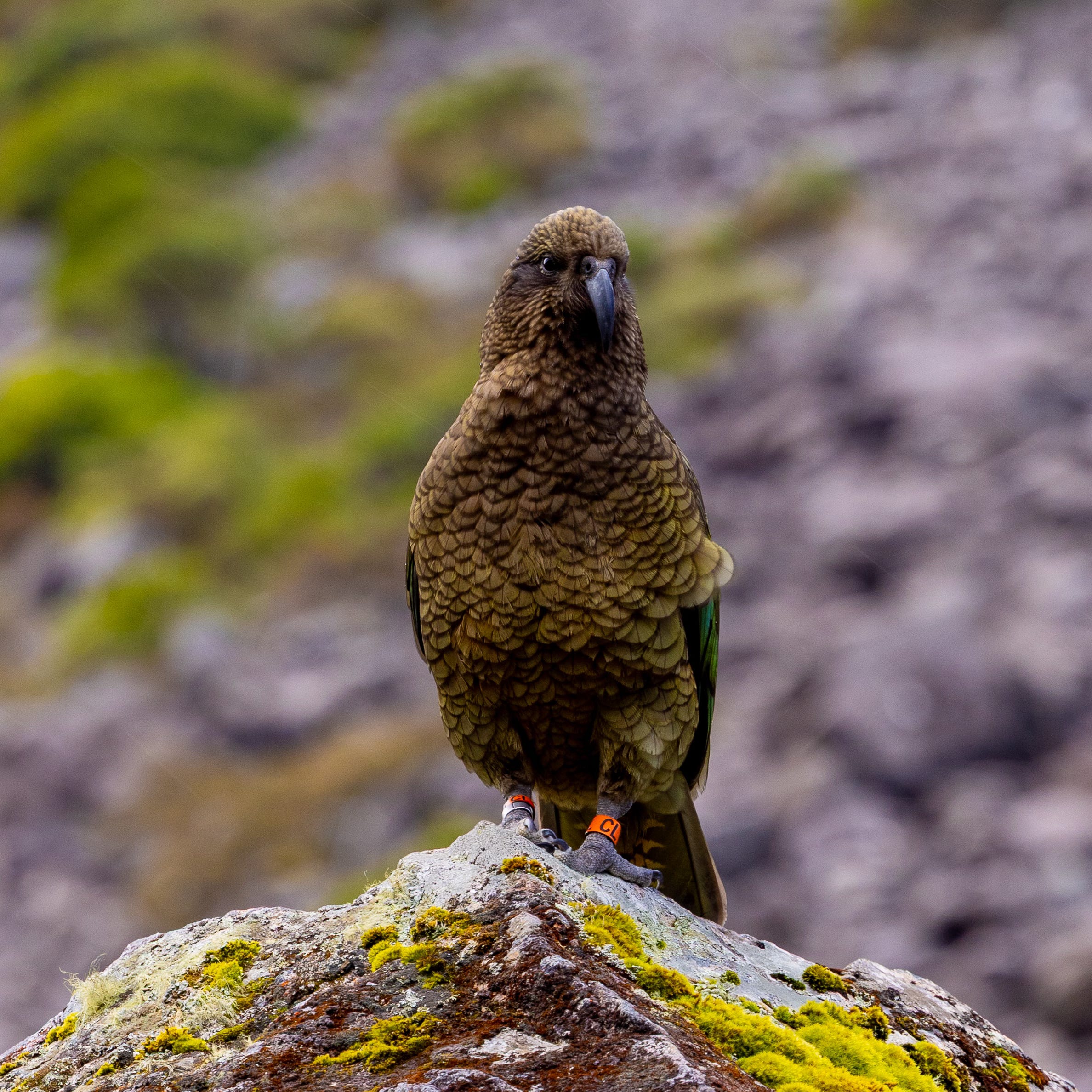
Kea, Arthur’s Pass. Photography: James Wilkes 2025
Fortunately, Kea turned out to be dietary generalists. They were able to adapt to human induced environmental change. Kea are also omnivores, eating both plants (berries, seeds, roots, nectar) and animal matter (insects, larvae, other bird’s eggs and chicks, and carrion). In the wild, their flexible diet has enabled them to survive.
Many other species of birds were not so lucky and went into extinction. The Kākā’s numbers fell away sharply too. They were less adaptable, and their population was constrained as the forest was cleared. Kākā’s diet of nectar, fruit, berries, seeds, insects and sap was more geographically limiting. For Kākā, the fires were ominous and signalled big changes ahead.
In 1025, the Port Hills are covered in dense forest, including giant tōtara. Large stands of kahikatea dominate the Canterbury Plains. Haast Eagles and early Māori compete to hunt Moa. Māori had the upper hand. Onlookers watched Haast Eagles weighing up to 18 kilograms ambushing Moa, which at the larger end of the scale, could weigh up to 200 kilograms.
The eagle’s large beak ripped into the internal organs of its surprised and shocked prey, and death would have been caused by extensive blood loss. The Haast Eagle’s talons were similar to modern eagles, suggesting its talons were for hunting, not scavenging. In 1025, without a doubt, the Haast Eagle dominates the sky.
Climatically, the region is warmer and drier than it is in 2025. This contributed to more fires and allowed for the rapid evolution of grasslands. Droughts during this time are more intense than today, and the infamous Foehn winds intensified the dry conditions.
The shadows are getting longer now, the sun is sliding towards the western horizon. It’s been incredible. I take one last look at paradise lost, sigh, and step back into the TARDIS. I smile, what an experience. I hit the Time Rotor. The coordinates have been reset for a thousand years into the future. Time: 1300 hours. Year: 2025. Destination: Christchurch. Vwoorp, vwoorp, vwoorp, the sound is unmistakeable. The Type 40 capsule is already surfing the time vortex waves and travelling back to 2025.
To make the journey more comfortable Walrus Mode has been selected. This keeps the pranantic waveform properly antifrated, maintaining the timeship’s reality quotient at 0.9. The reduced reality quotient makes it easier to travel through time. Good to know, right. I relax, play some music and look forward to getting home.
2025 - The Present
Slightly second hand after the long trip I have arrived back at my birth time zone and spring has just arrived. I spend a few days heading to the places I visited in 1025. I’m shocked by how much things have changed in a thousand years. And none of it is positive change. This is a world where humans have become an invasive species.
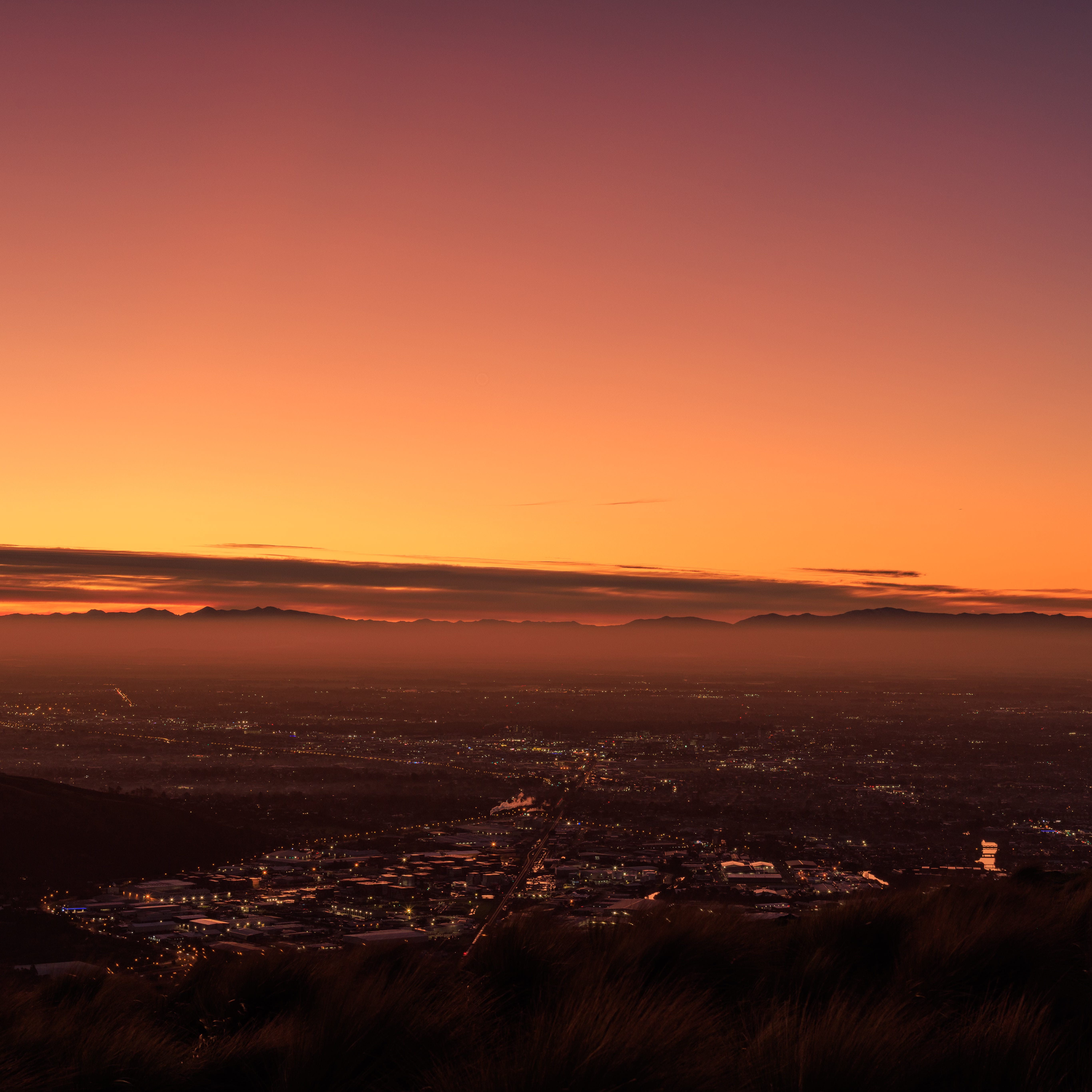
Christchurch fans out. Photography: James Wilkes 2025
Disconnected from nature, humans have become extractive, greedy, and self-sabotaging. Even in the face of dire warnings and confronted with an existential crisis, mankind maintains maximum destructive velocity. For example:
94% of reptiles in New Zealand are threatened with extinction.
Nearly three-quarters of terrestrial birds are at risk.
Pollution levels in many areas surpass WHO 2021 guidelines.
Increased short-term drought frequency has been observed, affecting climate and human activities.
Native forests and shrublands cover approxiamately 9 million hectares of land in New Zealand, roughly 33% of total land area. This has reduced from more than 80% of total land area before the arrival of humans.
Only 2% of our original kahikatea forest is thought to remain, most of it in fragments on private land.
And between 1996 and 2012, 89,000 hectares of indigenous forest and scrub was converted to exotic (pine plantation) forest and exotic (e.g. rye grass) pasture.
Over the 15 year period from 2001 to 2016, 13% of the total area of New Zealand’s remaining wetlands was lost.
Less than 250,000 hectares of our original wetlands now remain.
Worldwide, 83% of wetlands have been lost since 1700 - drained or filled in for farming or urban land.
European settlement: When Europeans arrived in the 1830s, Banks Peninsula, near Christchurch, was covered in dense podocarp forest. From the 1850s onwards, logging and clearing the land for farming led to the destruction of most of the original forest, with over 99% gone by the end of the century.
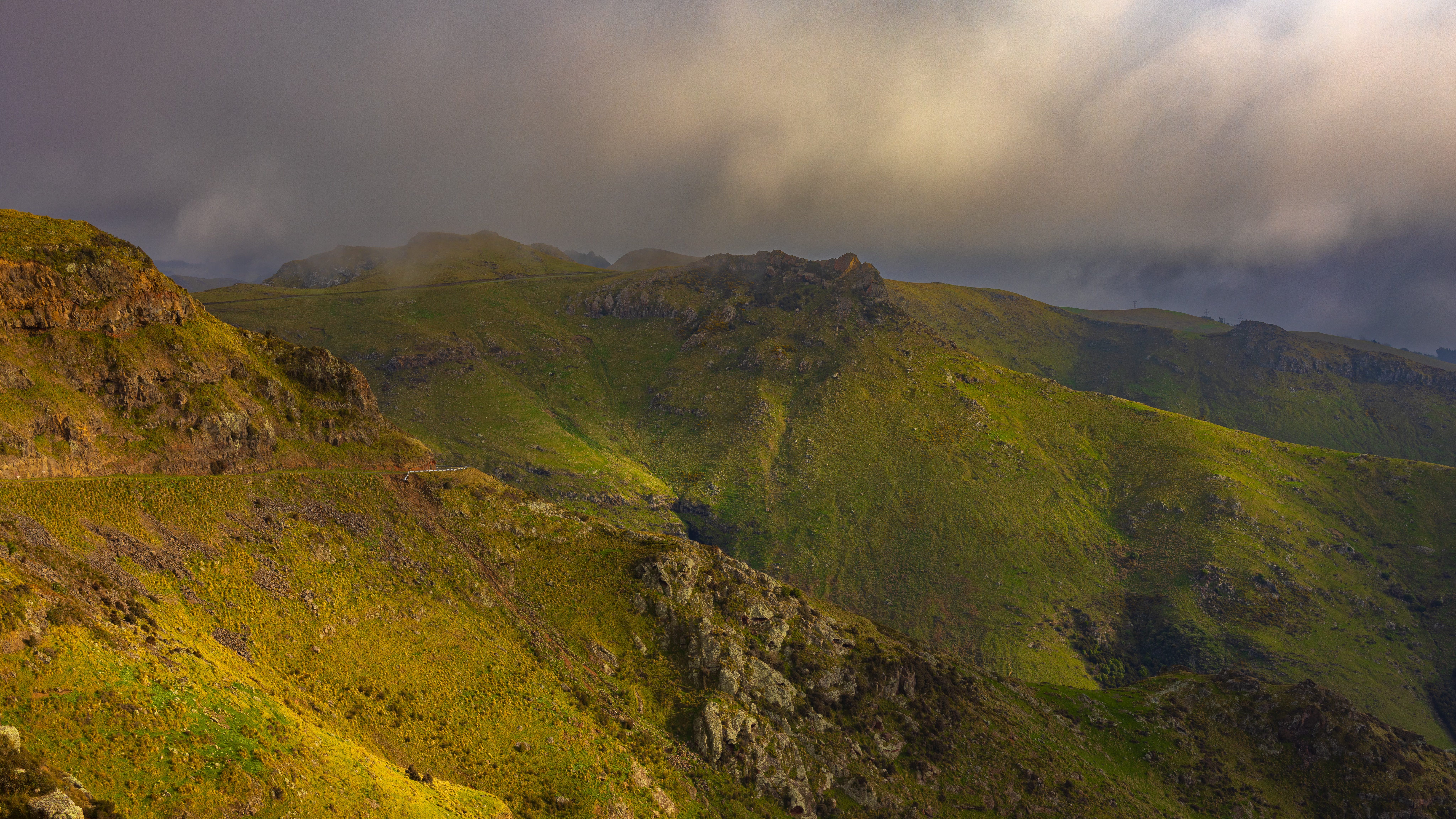
Banks Peninsula. Nice light but not a tree in sight. Photography: James Wilkes 2025
In 2025, water pollution in New Zealand (particularly Christchurch) is a growing problem. Two thirds of rivers are too polluted to swim in and once-safe drinking water is increasingly contaminated with harmful nitrate.
James Shaw, ex Green Party co-leader turned consultant had this to say, “The Government is giving big industry a free pass to bulldoze New Zealand’s precious native wildlife. This is one of the most significant assaults on the environment undertaken by any government in my lifetime.”
The point here is simple. We are failing to protect and nurture the environment that allows us to thrive. And when we make nature sick, nature makes us sick.
The enormity of the environmental vandalism and destruction is incredibly hard to take in, because there is so much ecosystem trauma. In Christchurch, majestic Tōtara are now long gone from the region. The Banks Peninsula has been denuded, and as stated above, is ninety-nine percent deforested and cleared. My imagination struggles to understand why those clearing the land left one percent. Posterity? Sarcasm? Irony?
Kahikatea and matai have also vanished long ago with Moa, Kākā, Kea, and the magnificent Haast eagle. Sally Blundell reports, “The loggers fled “but they came back”, says descendant Robin Wybrow (Waitaha/Kāti Māmoe/Kāti Kuri/Ngāi Tahu), “and in a few short years they stripped the catchment”. The deforestation of the peninsula, he says, was like an Amazonian apocalypse. “It destroyed the soul of the people.”
In contrast, rewinding a bit to 1848, British naval commander Richard Oliver commented, “The trees are magnificent, so closely packed and interlaced ... as to almost shut out the view of the sky.”
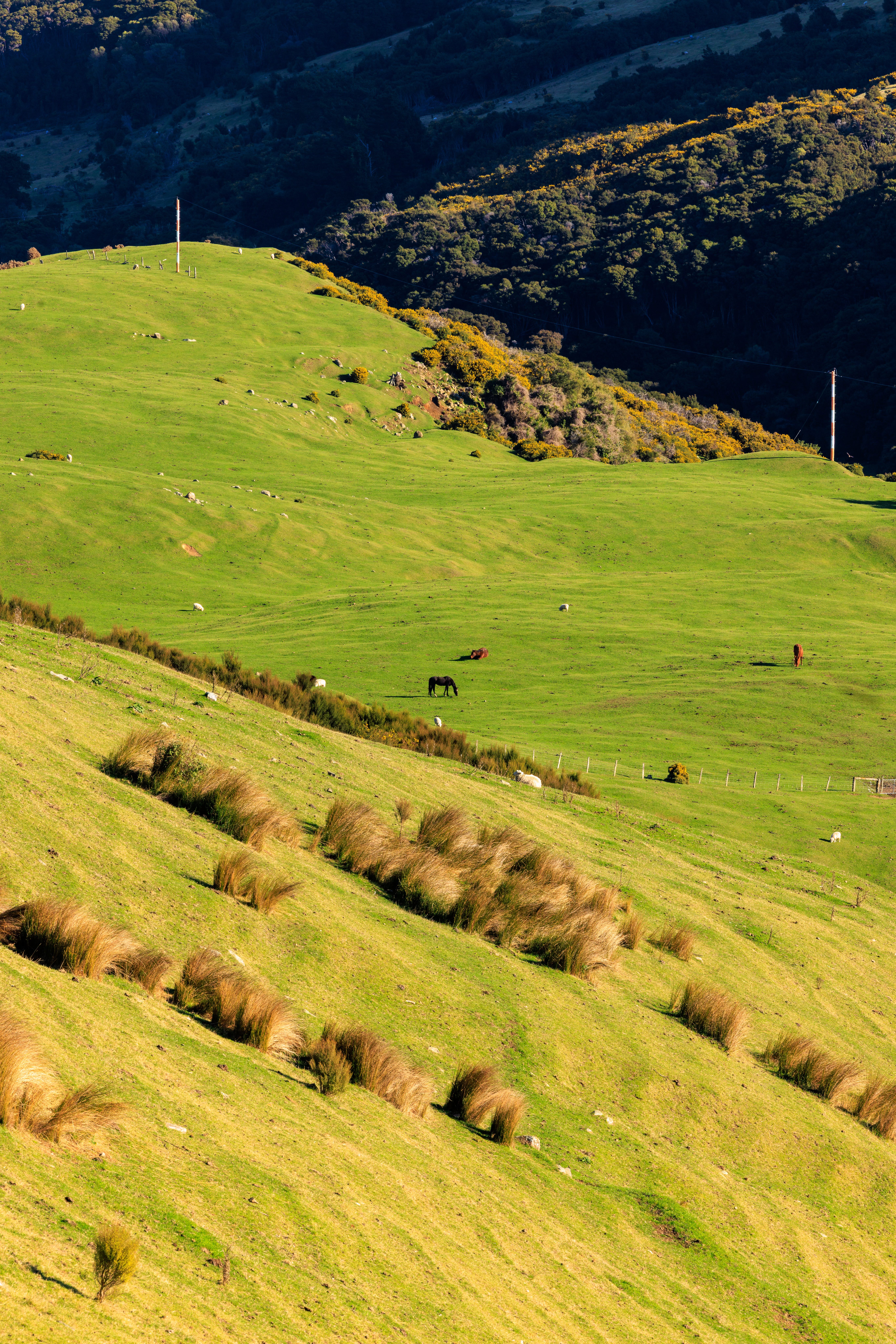
Cleared farmland on Banks Peninsula 1. Photography: James Wilkes 2025
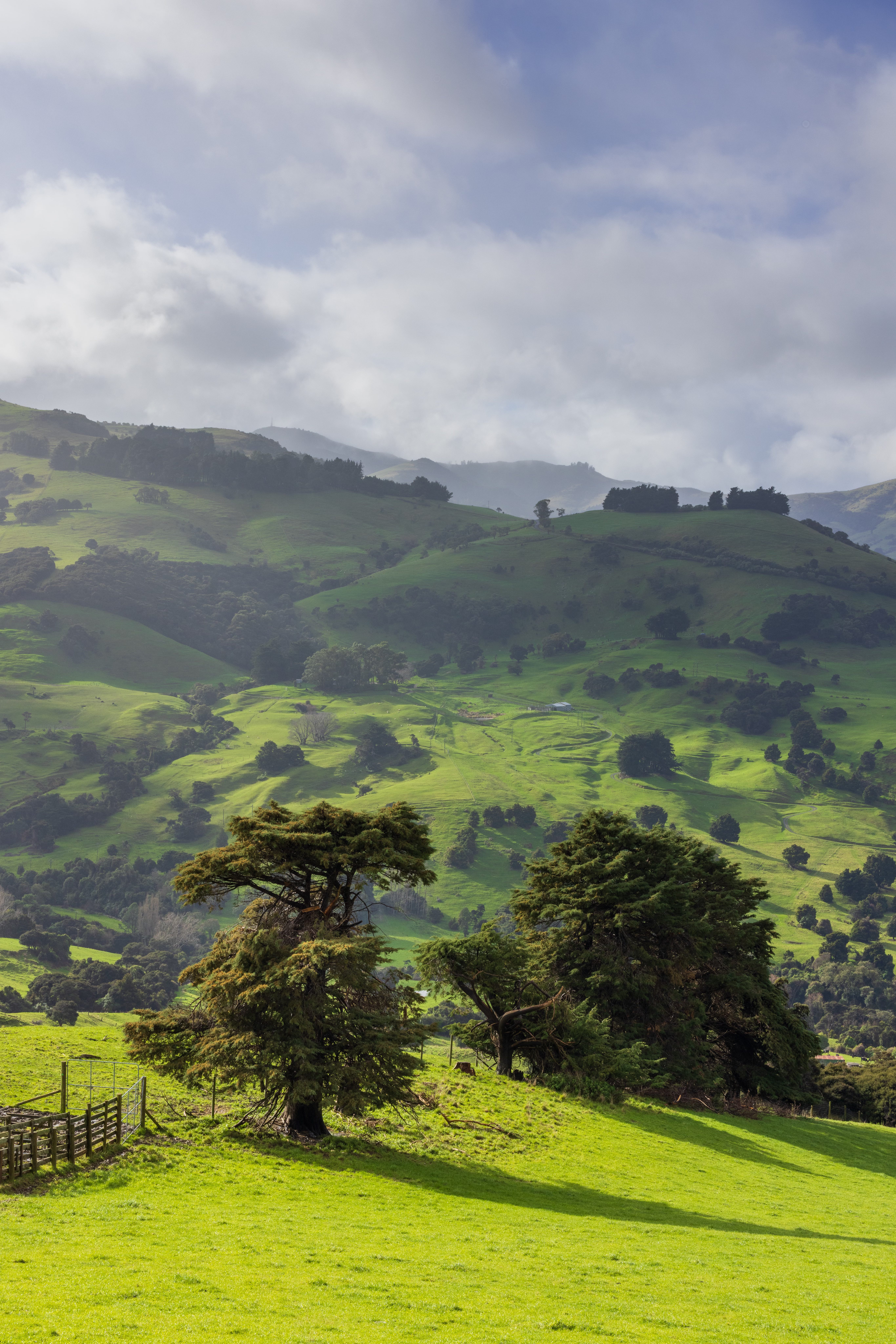
Cleared farmland on Bank Peninsula 2. Photography: James Wilkes 2025
My point: Simple. What on earth were any of them thinking? It’s almost understandable in Industrial Revolution times…almost. The frame of reference was different, technology was different, and our knowledge as it relates to climate change and intergenerational environmental scarring were not as advanced as it is today. Even so, like it or not, destruction on this scale is a signature of man, and perversely, the more technologically advanced man becomes, the more destruction he is capable of. And the destruction isn’t limited to environmental vandalism, it includes societal destruction as a side hustle.
All that said, it is with incredible irony that New Zealand was one of the first countries to ever write about and report on the dangers of climate change. In 1912, the Rodney and Otamatea Times and the Waitemata and Kaipara Gazette, put out the following piece:
COAL CONSUMPTION AFFECTING CLIMATE.
The furnaces of the world are now burning about 2,000,000,000 tons of coal a year. When this is burned, uniting with oxygen, it adds about 7,000,000,000 tons of carbon dioxide to the atmosphere yearly. This tends to make the air a more effective blanket for the earth and to raise its temperature. The effect may be considerable in a few centuries.
Prophetic. One hundred and thirteen years later, the creep towards ecological and civilization oblivion is well advanced. Our own population overshoot is problematic and our consumption driven capitalism model is not only fatally flawed, it is finite. Ultimately, it will cannibalize itself from the inside out. Nevertheless, capitalism has been completely let off the leash.
Camouflaged by neoliberalism, capitalism activates a competitive drive and individualism in humans. The aspirational drive from this dysfunctional chemistry is harming our planet and disconnecting people from their communities. The negative impacts have been devastating. Loneliness, mental health problems, and far less meaningful lives are all symptoms of capitalism. Anthropologically, it malkes no sense. Humans were never designed to live this way. Our programming is social, not solitary.
Today, in 2025, the majority of humans in first-world countries are also completely separated from nature, and that’s a problem. Disconnection provides scope for humans to ignore facts and extract to satiate greed. Arguably, disconnection is how many humans handle their cognitive dissonance towards climate change. If you’re not connected to nature how can you understand the consequences of your actions? A Wall Street trader does not see (doesn’t want to see) feel or hear the tree fall in Borneo’s forest. He is interested in the increased share price in the listed entities that benefit.
“Tropical forests are undergoing drastic transformations, putting at risk the species that rely on them. On the island of Borneo, between 1973 and 2015, 50% of the forest was lost, much of this to palm oil and other industries.”
In 2025, there is also a nexus between the owners of capital, politics, and everyone else. Part of the reason for the wanton exploitation of Christchurch’s resources originates from a capital class who have managed over time to capture and corrupt the government, particularly the current government.
Descended from colonists they have been misappropriating Māori land from the moment thay arrived. When I reflect on that truth it beggar’s belief. Think it through. Europeans from the northern hemisphere travel to the southern hemisphere where indigenous people are established, and with the use of overwhelming technology and force, appropriate land that never belonged to them. Seriously, can it get any more ridiculous than that? It’s Midnight Oil stuff, Beds are Burning, just give it back.
NZ History states, “The Liberals’ vision for ‘God’s own country’ saw yet more Māori land acquired for settlement. Minister of Lands John McKenzie shared the common Pākehā view that much Māori land was not used for ‘productive’ purposes and was therefore ‘wasted’. When Europeans obtained land, they immediately turned it ‘to good account’. Such attitudes and policies contributed to the fact that Māori now held less than 15% of the land that had been in their possession in 1840.” Wow, my bullshit detector just went off.
The story of John McKenzie is both instructive and insightful and in my opinion an excellent diviner of the times. Looking back, the system was hugely weighted against Māori but the John McKenzie’s of the world who were dirt poor in Scotland managed to secure a prosperous life in the New Zealand colony. It is not hard to see where Māori anger, angst, pain, poverty, and inequality are derived from.
And back to Christchurch in 2025. White gold is the new gold fever and humans continue to demonstrate their learning disabilities, addiction to capitalism, and their willingness to destroy the very climate that sustains human lives. In support of that assertion, Liz McDonald from The Press reports, “Canterbury could have 35,000 more dairy cows on its pastures, as dairying intensifies rapidly despite Environment Canterbury (ECan) declaring a nitrate emergency.”
In other words, the government and the dairy industries have ignored every warning and every bit of advice. Their strategy for a sustainable future is to put their fingers in their ears and continue their environmental vandalism. Nothing, it seems, can stop them. The industry is unhinged and no longer tethered to reality. Many see dairy as an important export. I see dairy as a malignant, metastasising cancer that is trapping New Zealand in the past. As an industry, it is vulnerable to commodity market cycles, climate change, consumer behaviour change, and technological disruption (precision fermentation and grain milks like oat milk), as well as future governement and global regulation. So place your bets ladies ands gentlemen.
3025 - Forward Wind a Thousand Years
Ok, I’m on my way to 3025 now. On route the TARDIS comms systems - which are sentient, and utilise a telepathic interface, enabling direct mental communication - starts flashing breaking news warnings, which have been absorbed from the Time Vortex. The Psychic Circuits have been providing warnings to me translated from alien languages. It would appear they have heard about my mission and as a universe community, wanted to prepare me for what I would see in 3025. Ok, that’s ominous, what’s going on? What the hell has happened?
One of the first communications was an alert to a new book by Dr Luke Kemp. Ominously, he has given it the title, Goliath’s Curse: The History and Future of Societal Collapse. What it boils down to is this. A clever guy invested seven years of his life researching and writing his magnum opus covering 5000 years of human society and societal collapse. His conclusion: self-termination is the most likely outcome for humans. Whaaaaaat? This message caught up to me from 2025. What on earth am I heading into?
Of course, in all of earth’s history, one thing remains a constant, our planet is inanimate. Adorned with evolving flora and fauna, it doesn’t care what happens climate wise. It’s just an inner core of iron and nickel, a mantle of molten rock, encapsulated in an outer crust of rocks and minerals, spinning at 1674 km/h. One day, billions of years into the future, earth will be completely absorbed by the sun and that will be lights out. By then, the only trace of humanity may well be found in the fossilised remains of our prior existence.
We humans, however, are somewhat more fragile than inanimate earth, requiring a very specific climate in which to thrive. And we are extremely, almost unbelievably lucky to have enjoyed a planet with an atmosphere perfect for us. “A study by the University of Southampton gives a new perspective on why our planet has managed to stay habitable for billions of years – concluding it is almost certainly due, at least in part, to luck. The research suggests this may lengthen the odds of finding life on the so-called ‘twin-Earths’ in the Universe.” And yet, the vast majority of human beings, particularly those enamoured with capitalism are happy to roll the dice on climate change. It seems that shitting where you live is now on trend.
I just whizzed through 2099, so I’m close now, but I think I might have been ambitious choosing 3025. 2100 might have made more sense. Even then, the constant updates about climate change coming through suggest even that looks optimistic. Tim Winton’s dystopian novel, Juice, looks like it could morph from science fiction, into science fact, and that’s confronting.
Here’s what Tim has to say, “What we do now in the next six or seven years will probably determine the fate of the earth and for those who come after us - what kind of lives they can lead, how long their lives will be, what their birth weights will be, what their lifespan will be, what they’ll eat, what the temperature of the world will be. It’s hard to know which way we’re going to go. My fervent hope and belief is that we will find ourselves, that we will do the right thing.” Tim is a fellow Western Australian and I love him to bits, but on this we are not simpatico. I look to history for the answer and Luke Kemp has done the detasiled grunt work. He says humans will self-terminate. I say we’re pretty much f..cked but hey, potato, potahto, tomato, tomahto.
Ok, the TARDIS is almost ready to dematerialise in 3025. Here’s a couple of news snippets that have been beaming in from 2025:
George Monbiot’s pull quote for an article on the Gazan conflict suggests, “Consider the annihilation of agricultural land alongside the genocide – and grasp the chilling totality of this attempt to eliminate all life.”
Jonathan Watts writes, “World’s oceans fail key health check as acidity crosses critical threshold for marine life.”
Dr Levke Caesar says, “Six of nine boundaries are already transgressed. That’s not just a warning — it’s a call to rethink how we define risk and safety at the planetary scale.” No wait, one minute, a news update has just interfaced into my mind. The Stockholm Resilience Centre is reporting, “Planetary Health Check 2025”, shows that seven of nine planetary boundaries have now been exceeded. For the first time, this also includes the boundary for ocean acidification. This means that several of Earth’s life-supporting systems risk crossing critical thresholds, with severe consequences for both ecosystems and societies.” Again, I emphasise, this news is all from 2025.
Dematerialisation is complete. The TARDIS time travel mission has delivered me into the heart of 3025. The real world interface, referred to as the door, connects the outer plasmic shell of the ship to the interior. I open the door and step into the future, now my present.
It is beyond hot. Beyond anything I could have imagined. The atmosphere immediately chokes me with a mix of humidity and oven like heat. The temperature is not unbearable, it is unbreathable. It is confronting, it is unliveable. The surge of searing heat reminds me of stepping off a flight in Dubai. The temperature was supposedly just a balmy 49 degrees. It wasn’t, it was much hotter, well into the 50s. Along the Gulf coast, where Dubai is located, summer brings high humidity, which can trap heat and create dangerous conditions.
It was nothing like that experience, not even close. It wasn’t like my home state of Western Australia’s blazing hot summers. And it wasn’t like South-East Asia’s hothouse conditions in the monsoon season either. This was different. This was a human being meeting and facing the reality that somewhere between 2025 and 3025, human life went extinct. I quickly dived back into the TARDIS. Its Thermal Protection System (TPS) had been activated. It was too hot even for the TARDIS. I reprogrammed the time rotor for 2025. Time to go. I had seen enough. Dr Luke Kemp’s bet on human nature has proven to be correct. The human race has self-terminated.
I will leave you with this:
A half-century ago, the worlds of science, public policy, and economics were rocked by a prominent book, The Limits to Growth, authored by four systems scientists (Donella Meadows, Dennis Meadows, Jørgen Randers, and William Behrens III) from the Massachusetts Institute of Technology (MIT).
Fifty plus years later, Dennis Meadows had this to say in 2022:
“The challenge in any retrospective on The Limits to Growth is to make it more than just ‘I told you so, and now comes doom.’ The last time greenhouse gas concentrations in the atmosphere were this high, the sea was 20 meters higher. There were no Homo sapiens around then, and I fear there won’t be any around a few centuries from now. But in the meantime, let’s try to spur constructive action. For me that means exploring the options and means for a peaceful and equitable decline and strengthening the resilience of all our critical systems.”
Good luck to you all.
Ends.
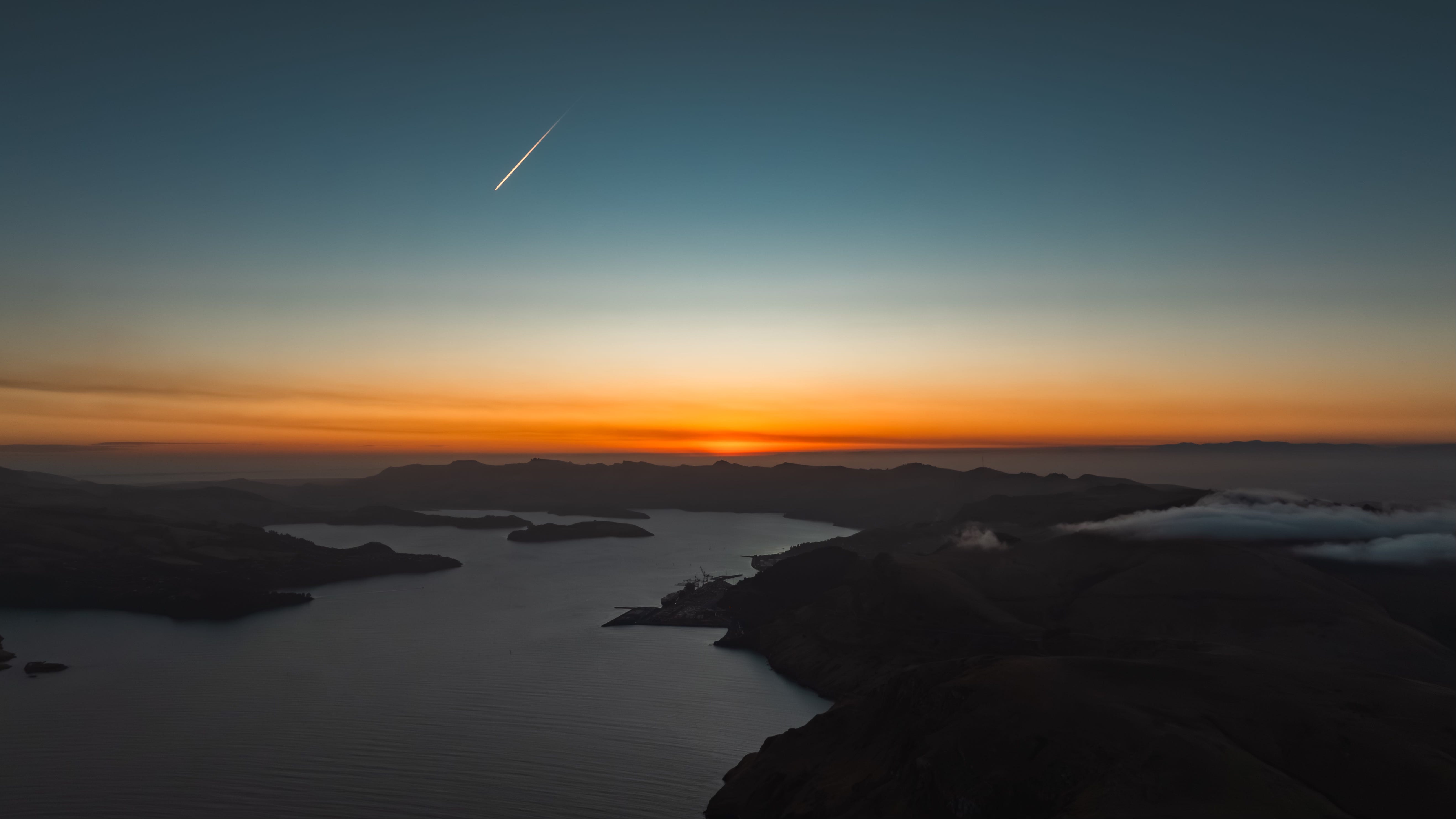
Banks Peninsula. Photography: James Wilkes 2025
Scary prospects!
Marvellous writing James - deep and thought provoking with a fun vibe here and there.